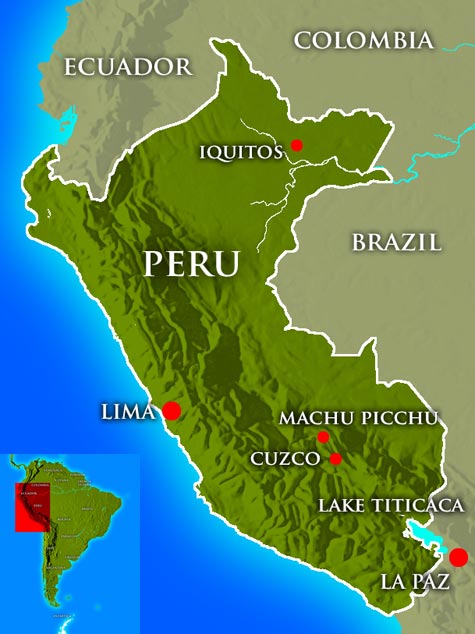
 Hello friends! I´m happy to report that I am alive and well in Lima.
I´ve been on the road for just about 10 days now, but without the week-to-week work cycle it´s been hard to keep track of time. We arrived in Cusco, Peru last Friday. Cusco was the capital of the Incan Empire. However, since the Spanish conquest this highland ex-capital has been scaled back to a tourist staging ground for visiting the surrounding Incan ruins and Machu Picchu, which lies either a train-ride or a 4-day Incan Trail trek away.
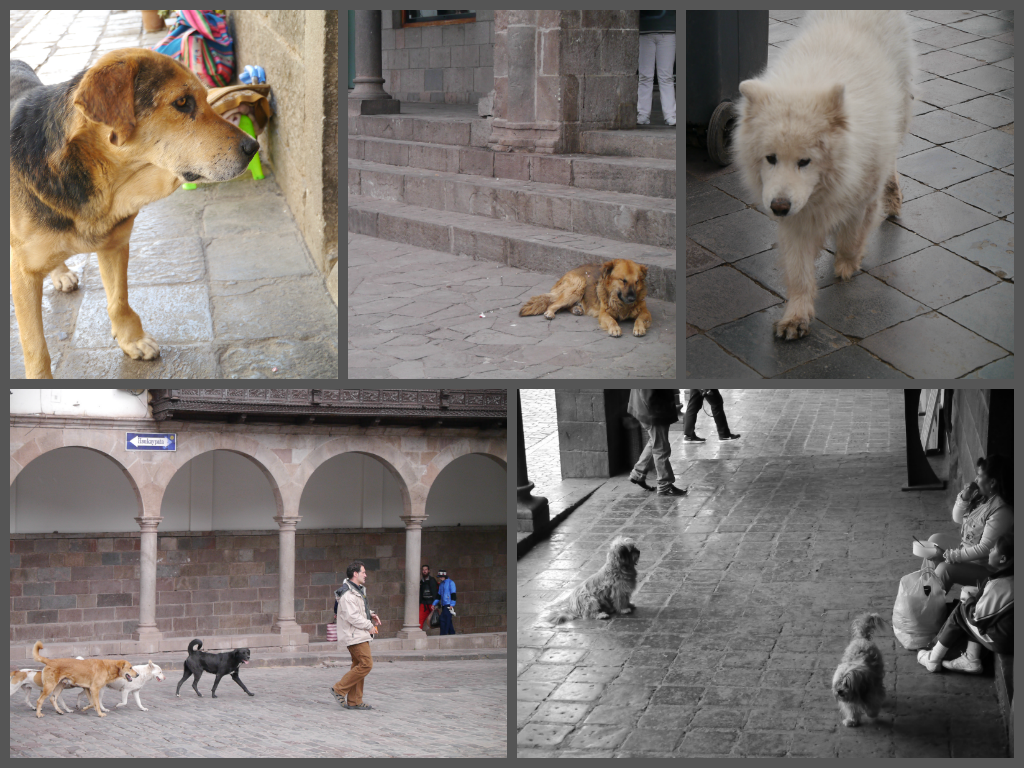 The Incan Trail ranges from around 2500-4200m in elevation, so to avoid altitude sickness we spent the weekend in Cusco to acclimatize. The most distinctive feature in Cusco for me were the packs of roaming dogs. I was surprised at how well-behaved all of these wild dogs were. They roamed often in large packs, but were always tame, never barked, and just quitely minded their business usually sunbathing or just walking around town like they owned the place. It turned out that these polite Peruvians dogs all had owner; I guess the conventions for dog ownership are more communal in these parts.
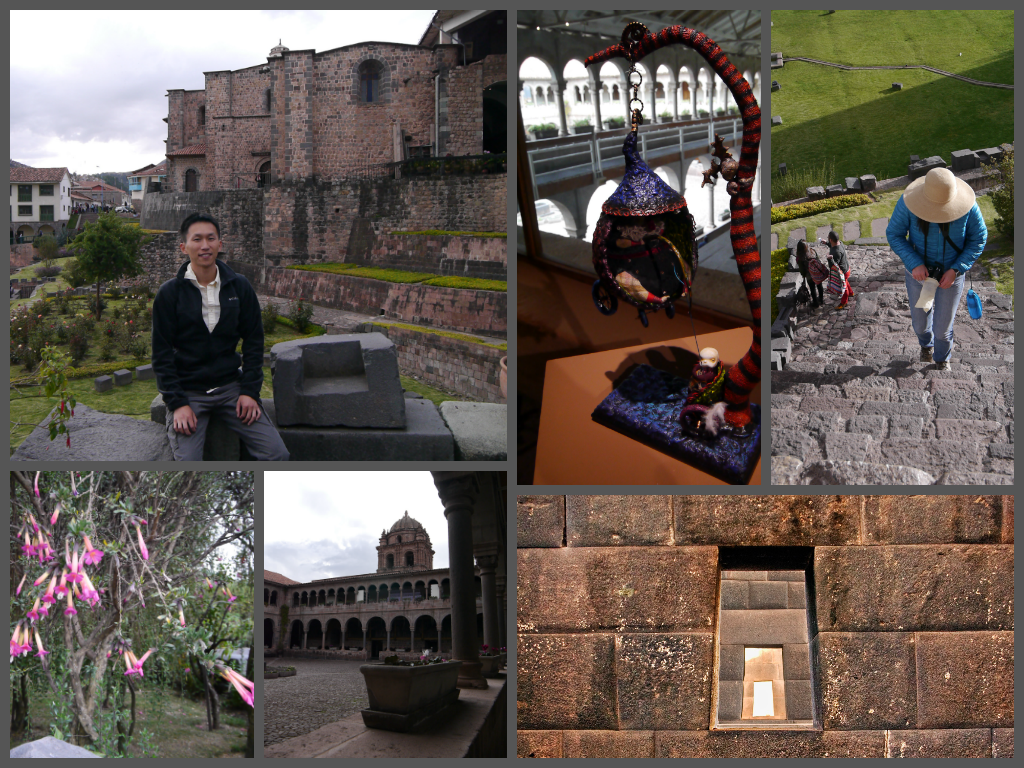
The other highlight of the city were the Incan ruins in the city proper. Coricancha is Incan for the ¨Temple of the Sun.¨ It was the relgious center of the Incan Empire, and represented the center of the universe for the Incan people. It was the first time we saw the immaculate Incan stonework that we would see again in Machu Picchu. The temple was converted into a Franciscan friar after the Spanish conquest, and now the structure includes European stylings blended into the original Incan stonework. To make things even more interesting, there is a modern art museum featuring local works just up the stairs.
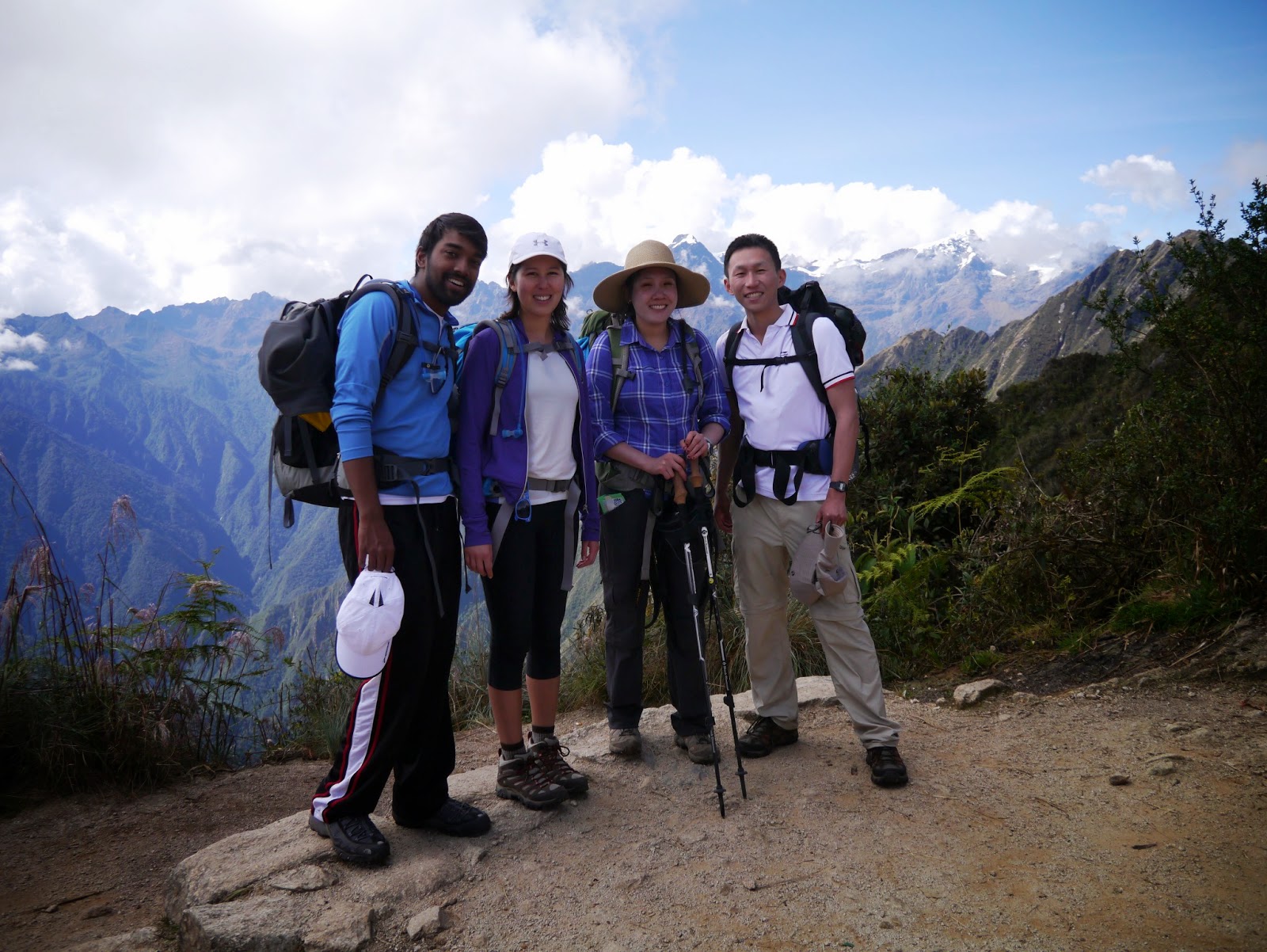
We hit the trail bright and early on Monday at 6am. This set the tone for our daily schedules for the next five days. During the trek, we would wake with the dawning sun at around 5am, and slept promptly after dinner at 8pm or so. It felt strangely natural to be synchronized with the sun, and I´ve been struggling to get back to a ¨normal¨ sleeping schedule ever since. The trail itself was tough but not insane. Making it possible was an amazing team of eight Quechua porters (that´s right… eight) who in addition to carrying most of our weight (besides water and other essentials that we carried ourselves), also carried our tents, a kitchen and bathroom tent, and set up our tents and meals for us along the way. The meals were nothing I would have expected in a long hike. Instead of sandwiches, crackers, and stale cheese, we got the full sampler of Peruvian cuisine, from ceviche, Lomo Saltado (Peruvian stir fried beef), Chicha Morado (purple corn drink), to Adobo de Pollo (chicken in a tomato-based soup?) and more. So despite being in the middle of the Andes for 4 days, we got more attentive service than any Ritz or Four Seasons.
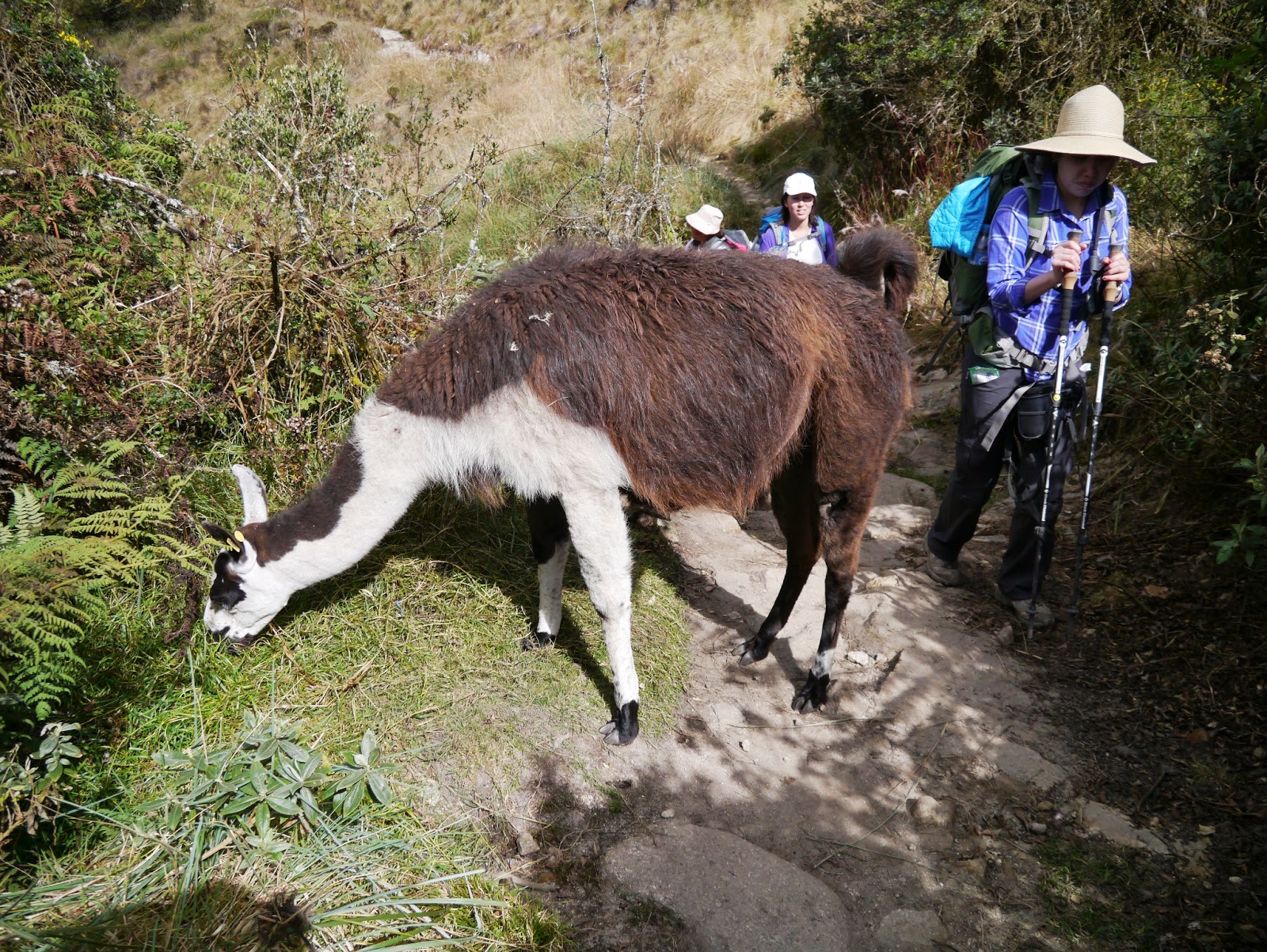
The second day was the toughest of the hike. We only hiked for about 6 hours, but almost all of it was uphill and led up to a peak 4,200m high, the highest we would get. The last two days were much better, and we had much more energy to appreciate the views, appreciate ruins along the way, and navigate our ways through wayward llamas blocking our path.
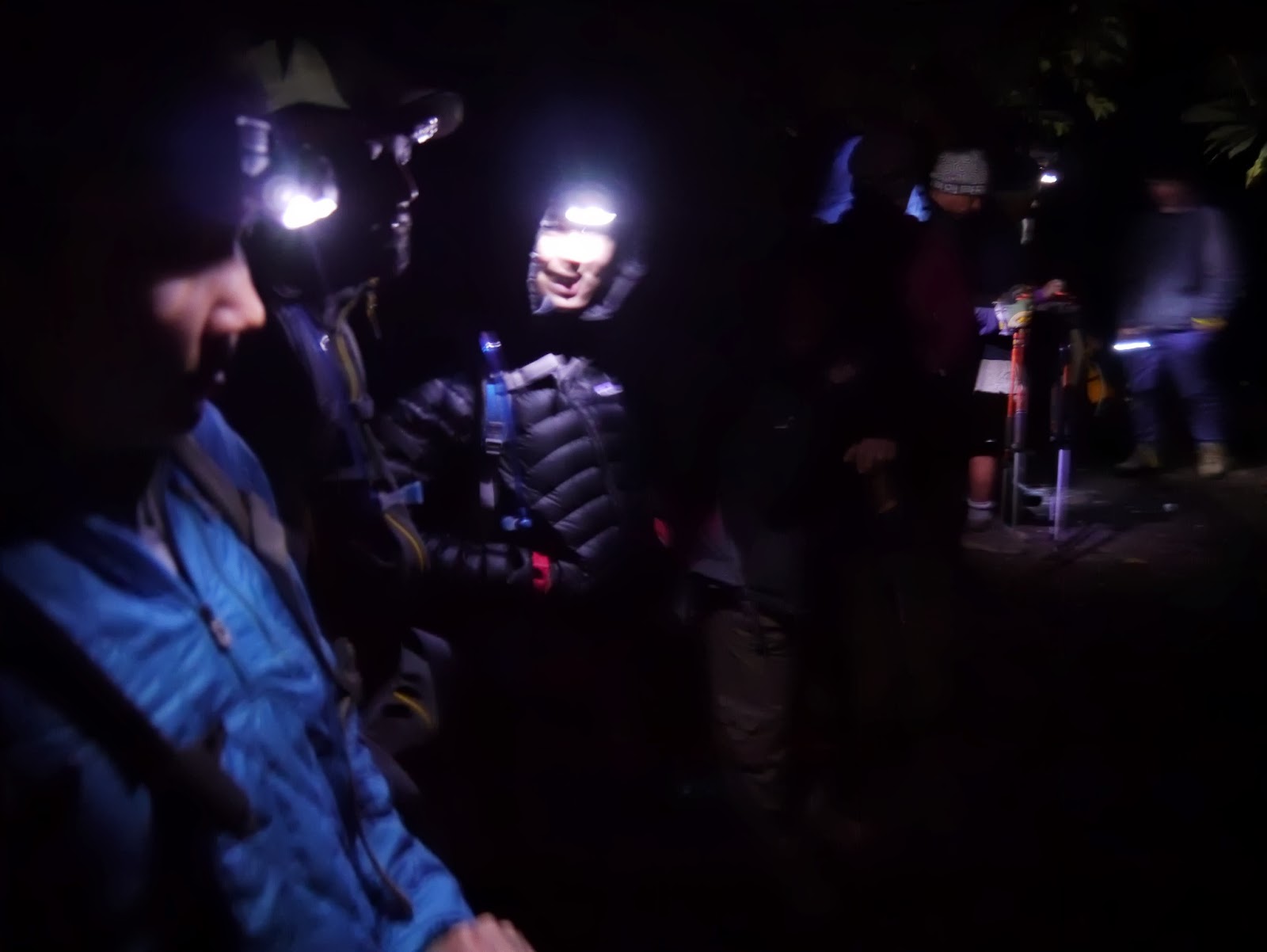 On the last day, we woke up earlier than normal (4:30am) to start hiking in pitch darkness get to Machu Picchu as early as possible. The city materialized below us two hours later as we passed the Sun Gate, and we waited to see the sunrise engulf Machu Picchu before we walked into the city.
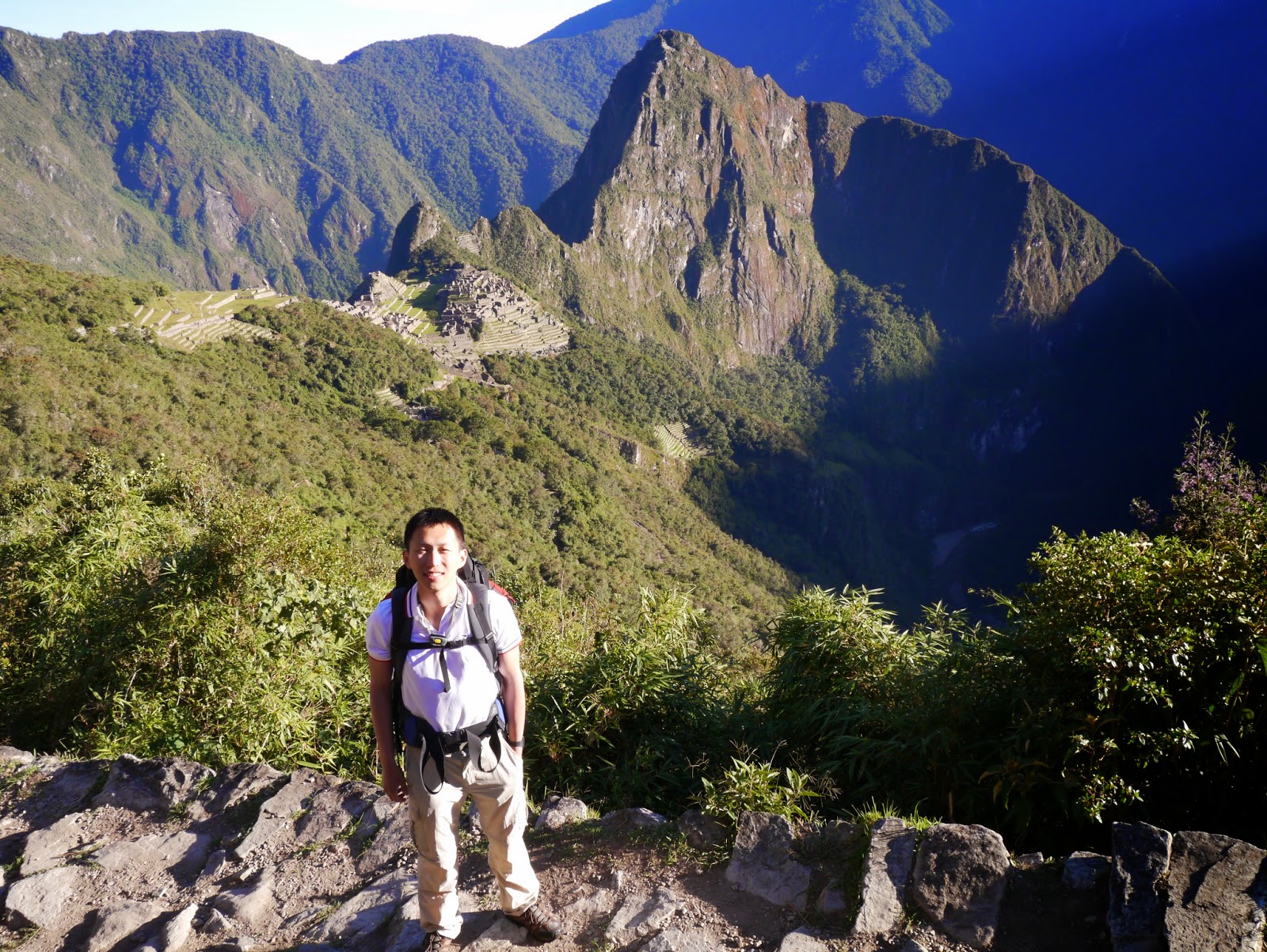
Our near-complete exhaustion sapped some of our enthusiam for the city itself, but our guide Bonnette managed to give us a whirlwind tour of the highlights.
Cradled between the peaks of Huaynapicchu (the ¨young mountain¨) and Machupicchu (the ¨old mountain¨), the city of granite owes its existance to an Incan Emperor, who we imagined looked up at this 3,000 m high granite mountain one day and decided that this treacherous place in the clouds should be a city. It turns out that Machu Picchu was a royal retreat where the Incan Emperor went to rest, meditate, and meditate on matters of religion, politics, and war. The city supported a population of only about 300, comprising of the Emperor, select nobles, servants, priests and virgin priestesses. The immaculate stonework we saw at the Temple of the Sun in Cusco was found here in the most important buildings: the Emperors residence, the Sun Temple and the Temple of the Condor, and the residence of the virgin priestesses.
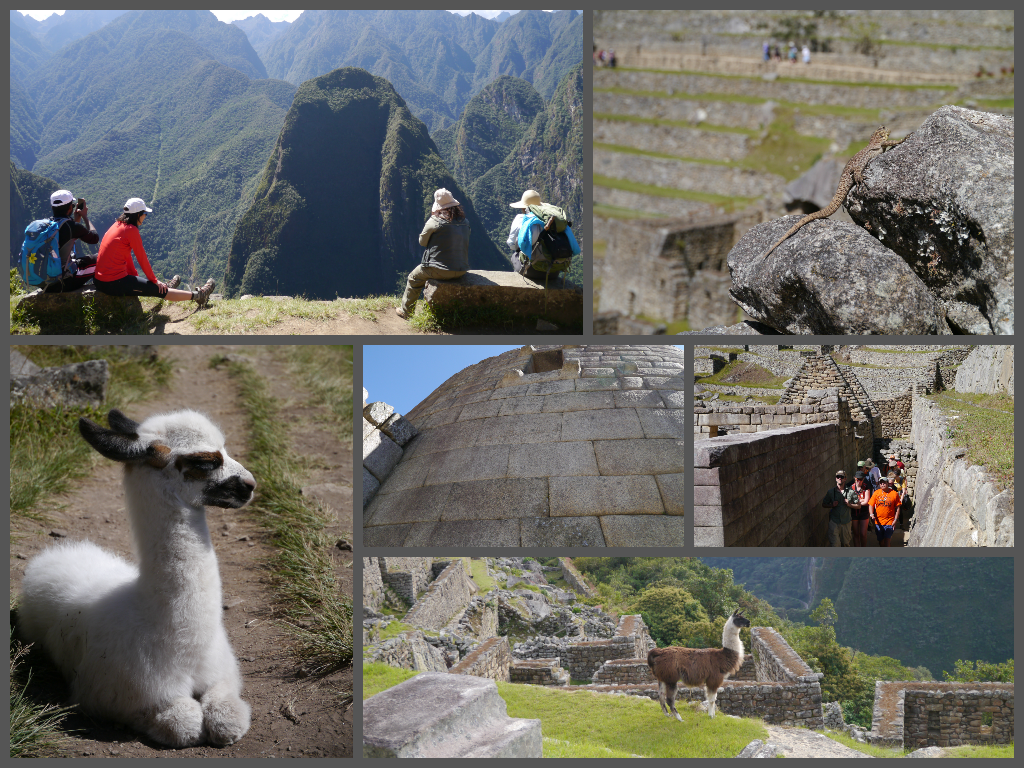
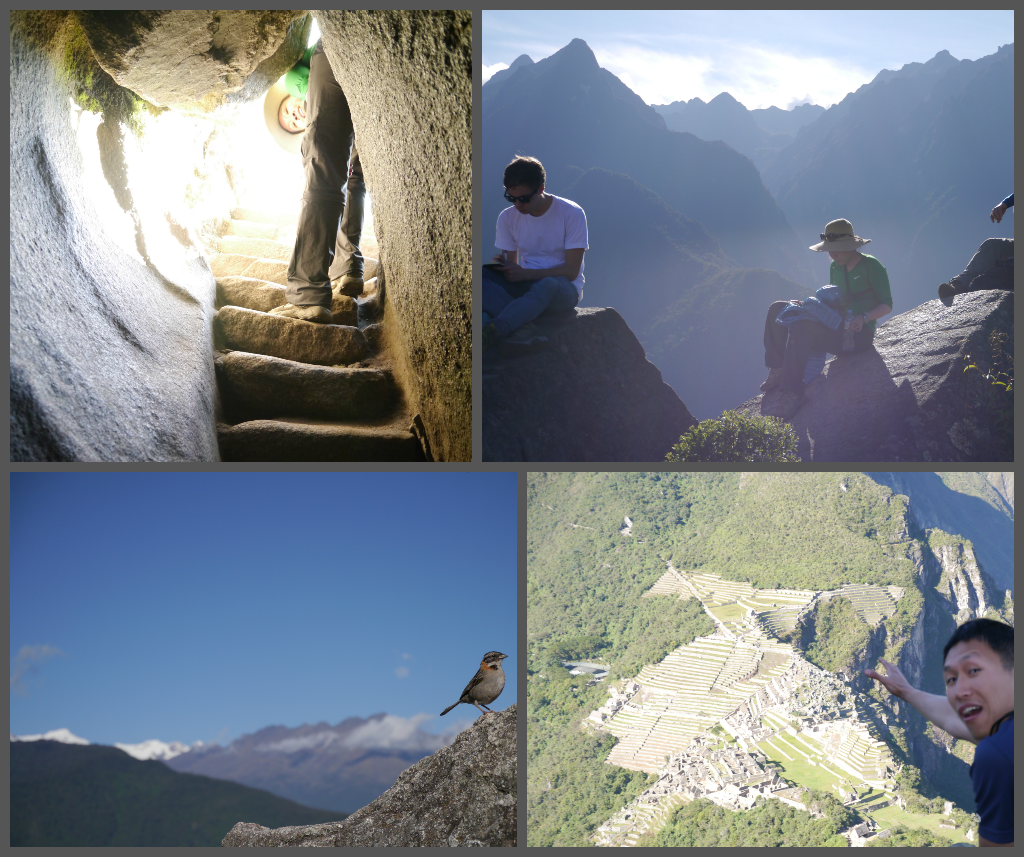
The next day we came back to hike Huaynapicchu, a peak a couple hundred meters above the city. The steps were trecherous to the point that steel cables were installed in sections to pre-empt falling tourists. The bare rocky peak offered amazing views of Machu Picchu down below, but was very windy and crowded, and fully-induced my vertigo.
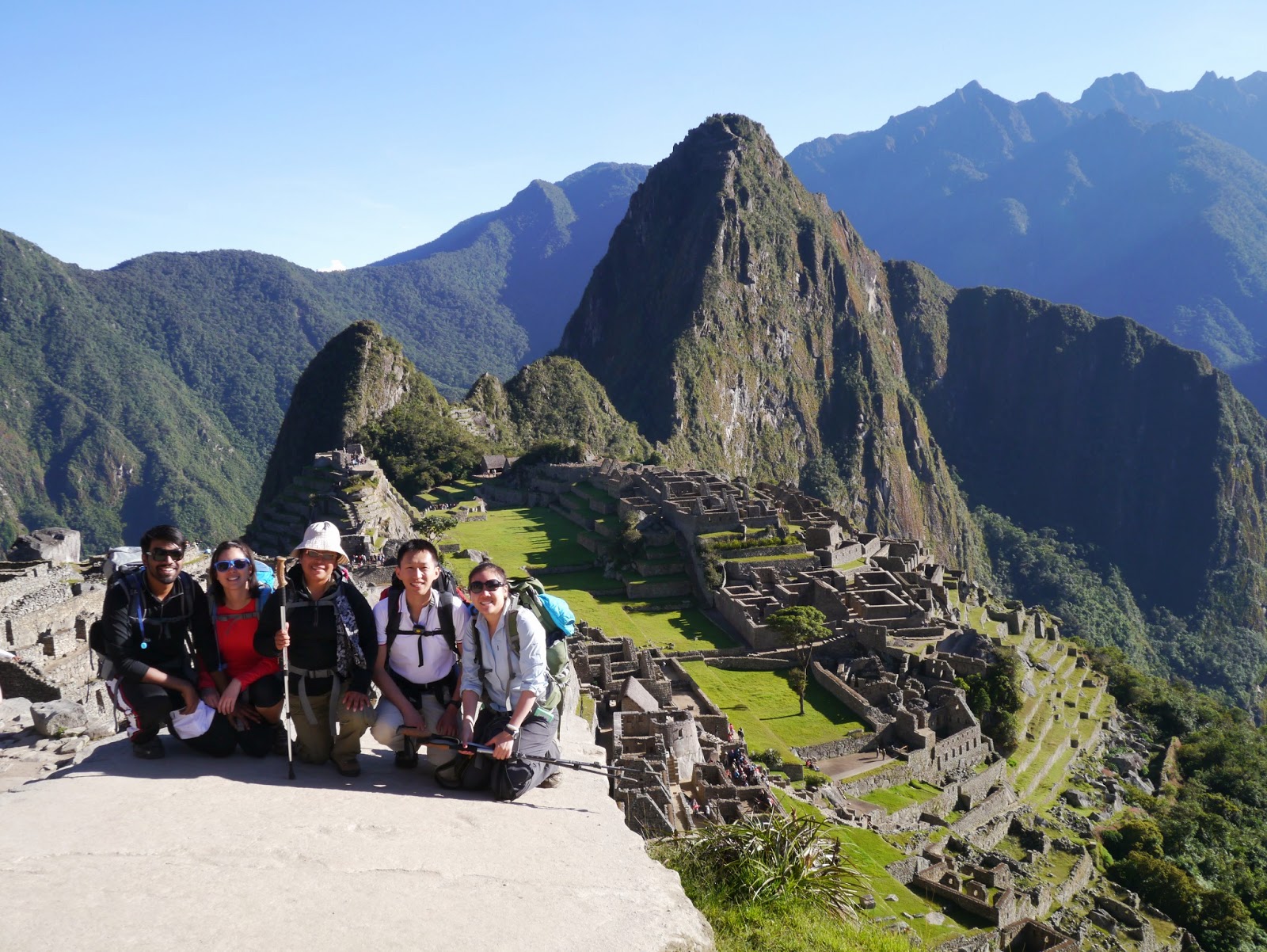
Full album of pictures here if you´re interested. I´ll leave you with this postcard-worthy picture.
 Jack Wang