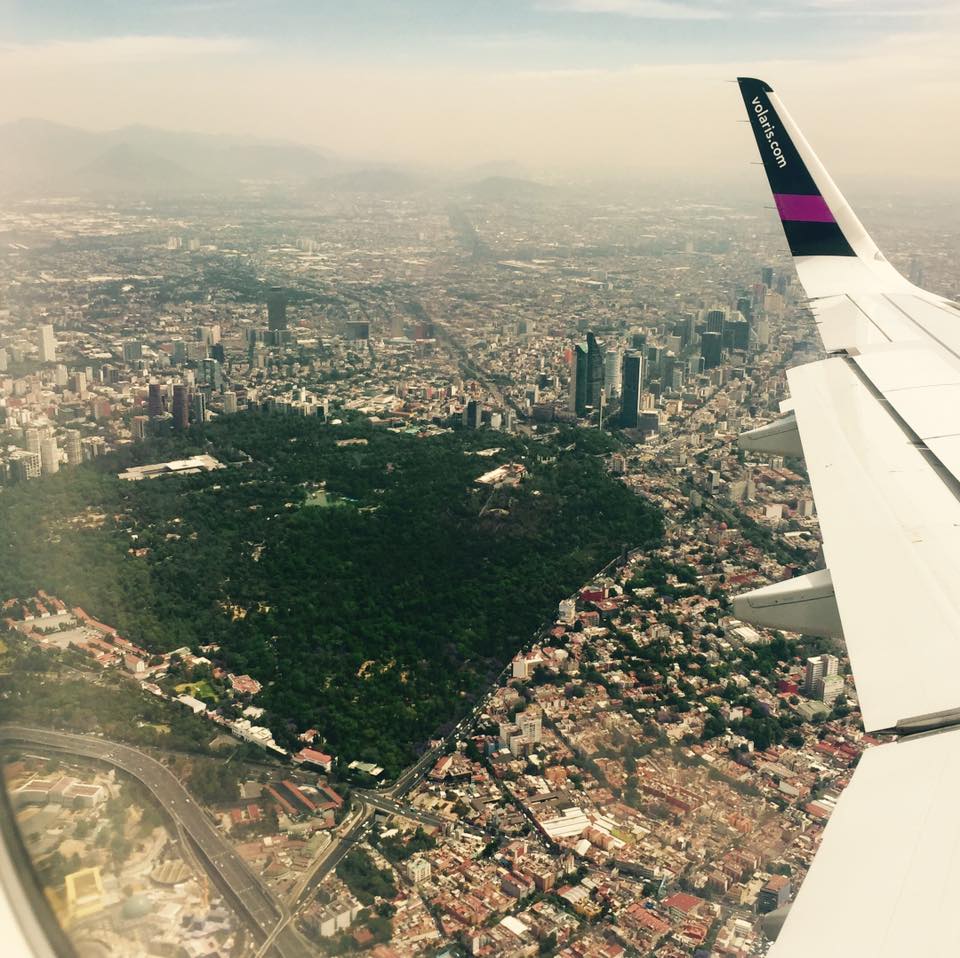
I’m awakened by the PA, and the dropping sensation confirms that we’re about to land. I look out the windows, and am ecstatic that I picked the correct side of the plane to catch the cityscape view for our descent. Initially I’m disoriented as I can’t spot a skyline. There is no coast that would make an obvious home for the tallest buildings, and the sheer sprawl of Mexico City adds to the disorientation. Eventually I pick out a row of tall modern buildings lining a grand avenue emerging out of a grand central green space; I later learn that the avenue the Paseo de la Reforma, and the greenspace is the Bosque de Chapultepec. As we get even closer to landing I notice scattered purple pigments EVERYWHERE, as if the asphalt was mixed with neon dye before being paved. The vibrance and sheer ubiquity of the color made a distinct first impression; my first trip to the capital serendipitously coincided with the Jacaranda blooms.
Within the hour, I would be walking the tree-lined streets of La Condesa, where our AirBnb awaited just blocks away from Chapultepec. The neighborhood is like a mix between the Upper East Side and Le Marais with its proximity to the central green space and plethora of chic cafes and galleries. The air is thin over 2km above sea level, but the climate is surprisingly lovely. I had imagined a bustling but grungy industrial city where dust and unruly crowds reign, but at least in this charmed enclave, tree shade, aged architecture, and the tranquil murmur of residential sounds secure my indelibly positive impression of the city.
By the end of my five days here, I had had my lifetime best tacos on street-side benches, fawned over Rivera murals in the national palace, visited millennium-old pyramids at Teotihuacán, browsed an unending bouquet of crafts in San Ángel, experienced the least personal space I can remember in rush hour subway cars, and inhaled Mezcal and grasshoppers while being serenaded by Mariachi bands at Garibaldi square. After having tread through a fair amount of Latin America, I can’t believe it took me this long to get to the most vibrant metropolis in the Hispanic world.
Having spent three months in beautiful, quaint, but provincial San Cristóbal, Mexico City reminded me of the charms of cosmopolitan giants. At the end of the day I’m still a sucker for the buzz of a big city, with the rush hour crowds and the heightened sense of possibilities. Mexico City has the cultural bona fides to match its sheer scale. Gorgeous murals and street art adorn walls, and the architecture harks back to enlightenment France. The central post office for example, is a Fabregé egg of a building whose luminous windows reminded me of a gigantic chandelier.
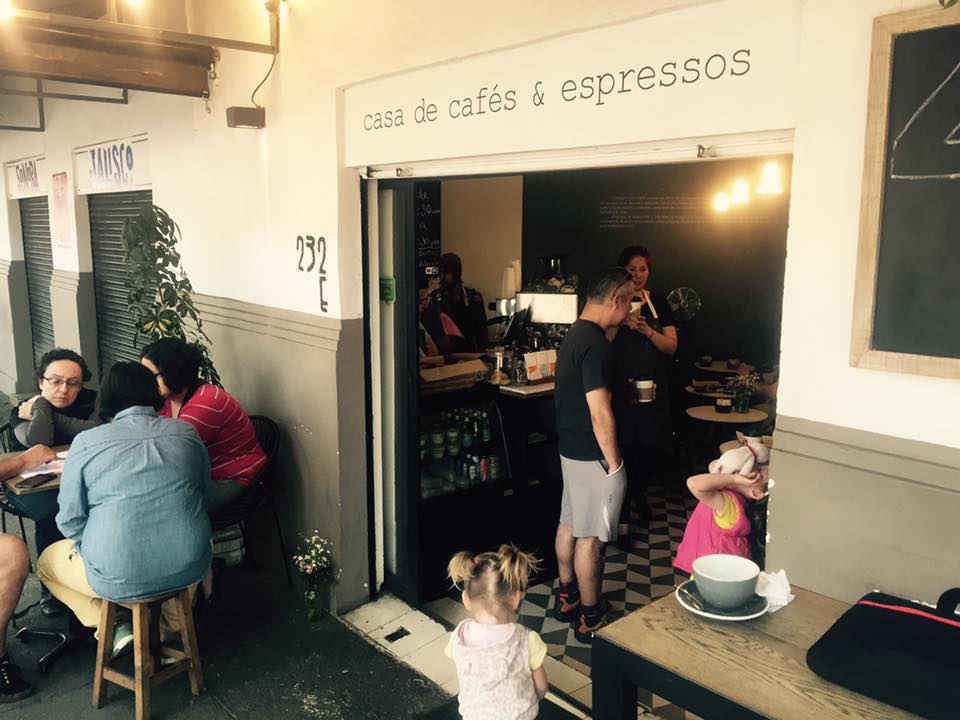

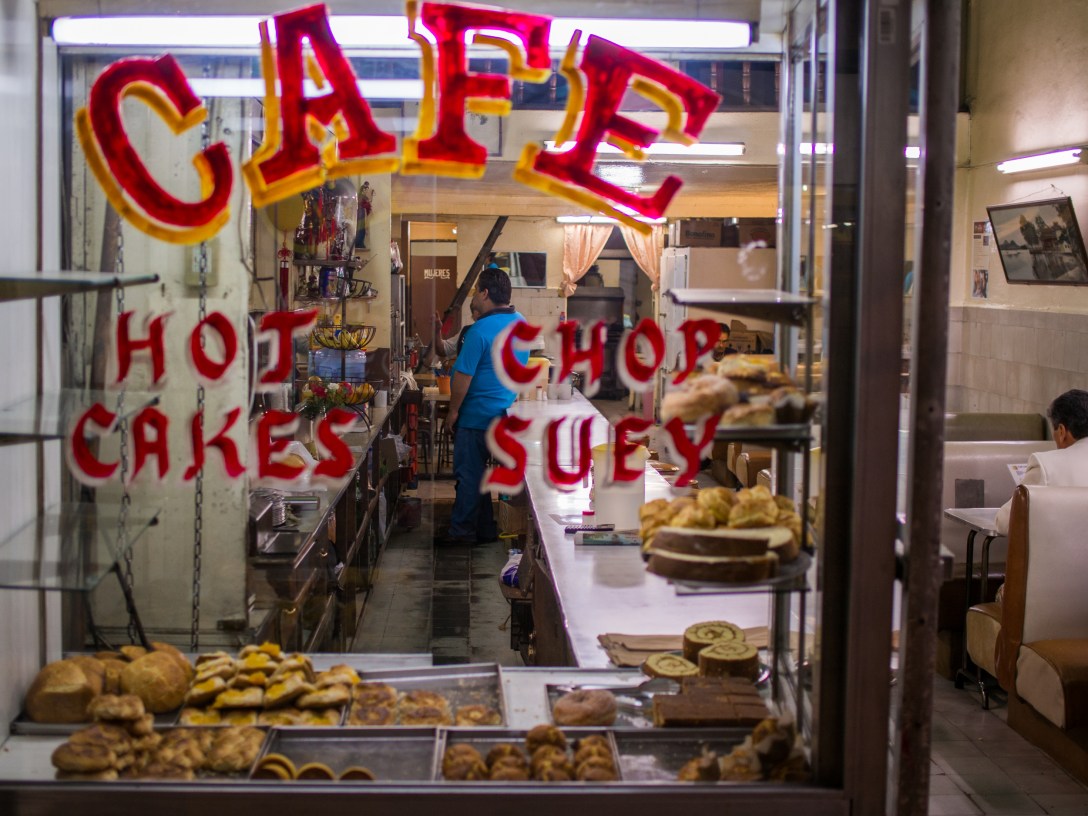
The city also has in spades bourgeois amenities. 3rd wave cafes and boutique designer shops line the streets of La Condesa and neighboring Roma. To top it off the skinny men in pork pie hats complete the illusion of a latino Williamsburg, only without the ugly buildings. Over the weekend we had our tour of posh dining establishments, with requisite prix fixe menus, elaborate wine lists, and high concept dishes. The only thing materially different from the New York fine dining scene was the focus on traditional Mexican ingredients and the vastly more reasonable prices.
To be clear however, although replete with all the amenities of comparable metropolises, Mexico City is NOT a generic mega-city that happens to be in Mexico. It is a distinctly Mexican city with unmistakably local characteristics. Where else can one watch masked fighters named “Virus” and “Atlanis” duke it out while snacking on esquites. The cuisine here, especially the streetfare, is unabashedly Mexican and indisputably good. Cue warm and fuzzy memories of a post-taco 2nd dinner at the restaurant where we had Pozole (a Jalisco specialty tomato and corn stew) and Churros. It was called, get ready, “Pozole y Churros.” I assure you this Mexican version of chicken and waffles was delightful.
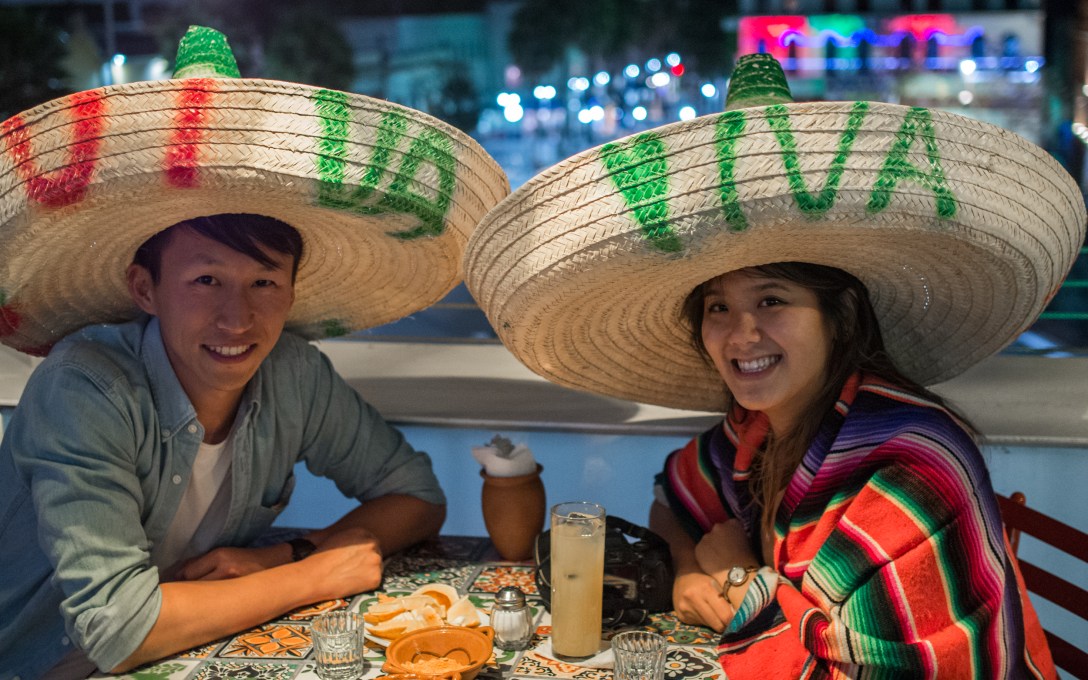

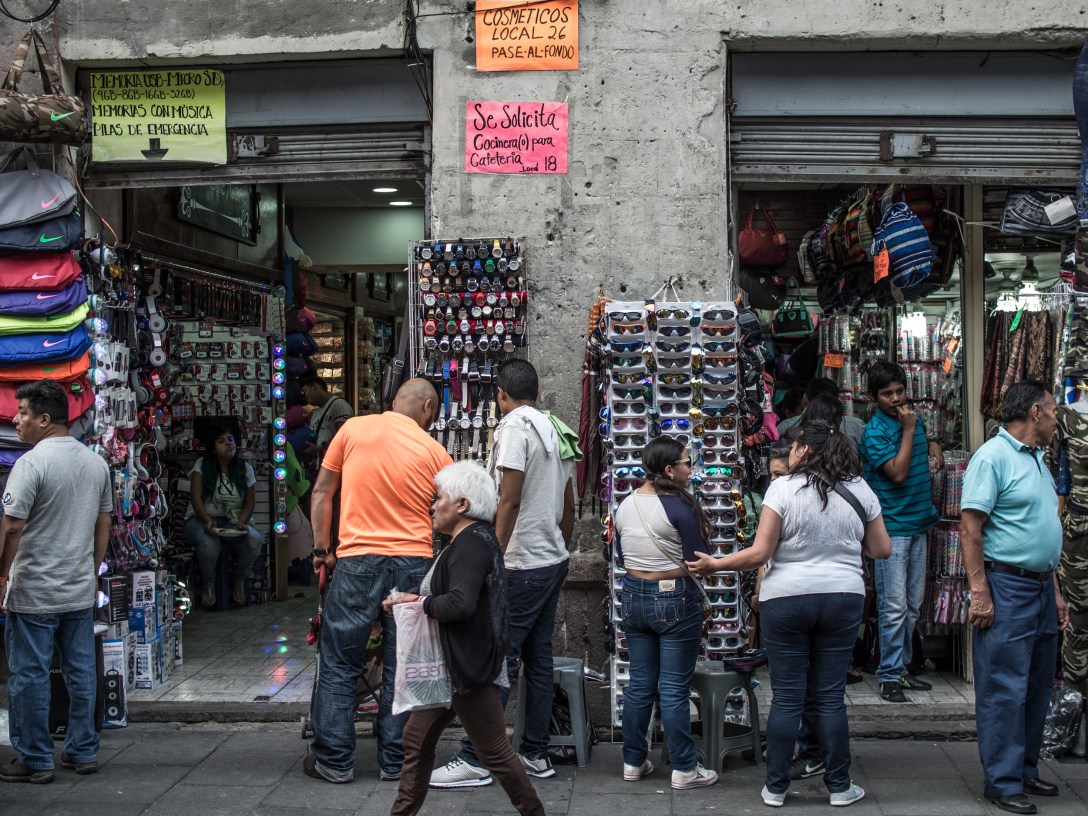
Throughout the city there are also ample evidence of modern Mexican society’s pride in its pre-Colombian heritage. References to Aztec society and symbolism from this era are found in art and monuments all over the historical district including Rivera’s murals. It’s also impossible to miss the lionized image of the last Aztec emperor Cuauhtémoc, whether in the outsized statue in the Paseo de Reforma or in the 5 peso coin. Meanwhile there is not a single monument of Hernan Cortes in the entire country. At least in one sense, Mexico seems to have dealt with its historicization of pre-Colombian societies much better than the country in which the “Redskins” are still an NFL team with millions of fans.
Living in Mexico, I’ve become much more immediately aware of a cognitive lopsideness between Americans and Mexicans. Here so many families have relatives in the states, and almost everyone has the pulse of the goings on in their northern neighbor whether it be through daily news coverage US primaries or through support of American sports teams (I swear I’ve seen more Steelers shirts here than I’ve ever seen in my life). In the mean while, most Americans seem to have a petty-minded ignorance of the larger of our two neighbors. Or at least, the extent to which we do think about Mexico is so often tainted by prejudiced misperceptions (see Trump and supporters). Mexico City is one, but not the only example of the vibrancy that Mexican society has to offer. And in its brilliance, it may be the strongest rebuttal to American prejudice and ignorance. Maybe if every Trump supporter actually paid Mexico and its capital city a visit, we might start having an intelligent dialogue on international affairs!


 Jack Wang